
Copper on pace for best year since 2009 as AI demand, supply fears fuel record price rally
Copper is on track for its most significant annual price surge in over 15 years, driven by a powerful convergence of supply constraints, a softer U.S. dollar, and blockbuster demand from artificial intelligence infrastructure and the green energy transition. The red metal's rally highlights its evolving role as a critical commodity for both economic health and technological advancement.
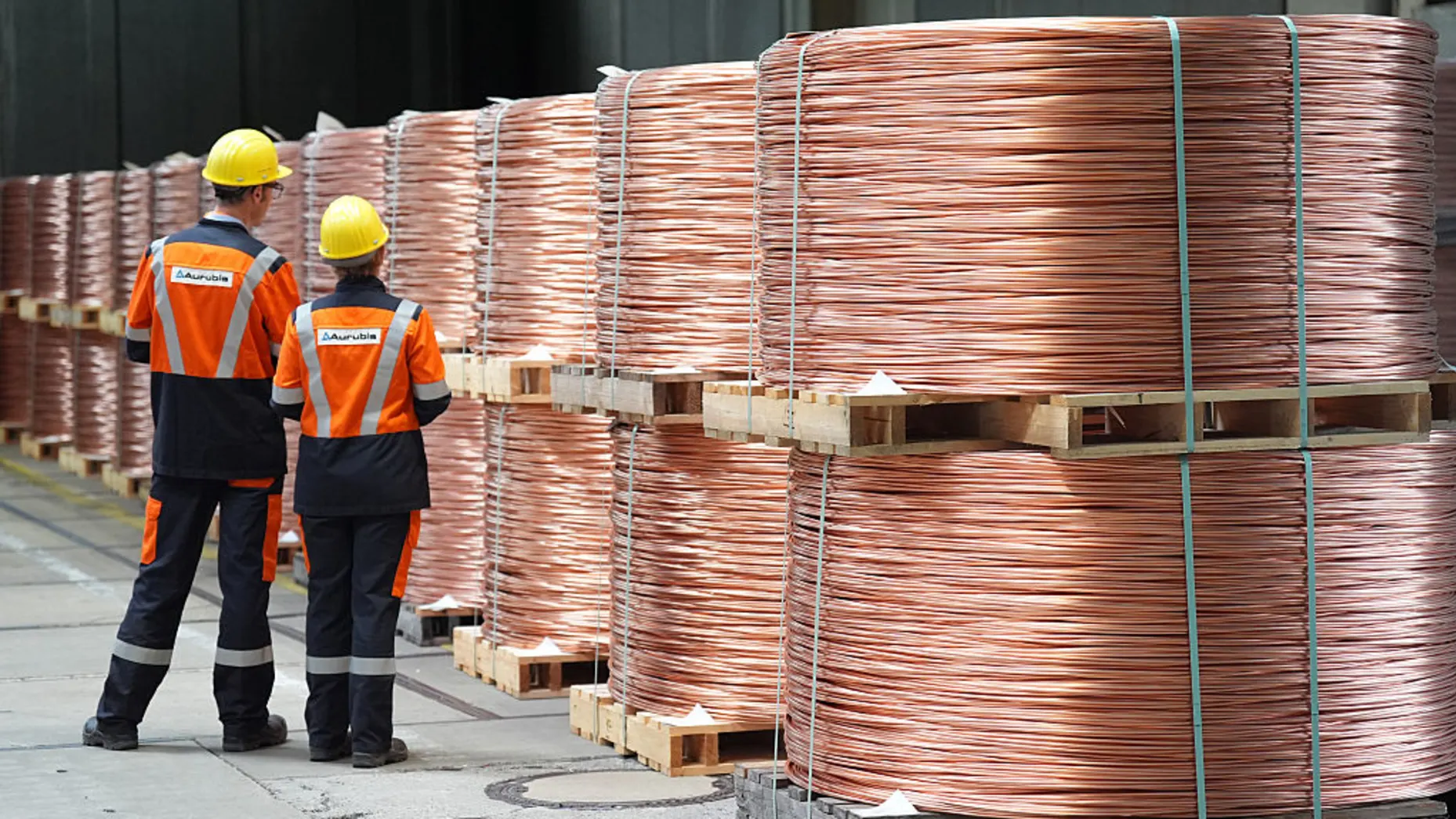
Three-month copper contracts on the London Metal Exchange traded around $12,405 per metric ton on Tuesday, following a record high of $12,960. With an annual gain of approximately 41%, this marks the metal's strongest performance since 2009. Analysts point to a fundamental market shift, where demand from data centers, electric vehicles, and power grids is outweighing traditional headwinds like China's property sector slowdown.
AI and Electrification: The New Demand Drivers
"The story for copper of the last few years has been green energy... and now, of course, data centers is the big growth story," said Ian Roper, a commodity strategist at Astris Advisory. The global boom in AI requires massive build-outs of data centers, which are incredibly copper-intensive for wiring, power transmission, and cooling systems. This new demand layer compounds existing needs from electrification and renewable energy projects, creating a structurally tight market.
Financial institutions are adjusting their forecasts in response. JPMorgan analysts see potential for prices to average $12,500 per ton in the second quarter of 2026, citing "acute supply disruptions" and disjointed inventory. They note data center demand as an "extremely topical" upside risk that could push prices even higher.
Diverging Views on the 2026 Trajectory
While the long-term bullish thesis is widely shared, near-term predictions vary. Goldman Sachs Research expects a near-term pullback from record highs, forecasting prices to average $10,710 in the first half of 2026 as the market digests recent gains. However, they concur on the long-term trajectory, projecting a climb to $15,000 by 2035 due to sustained demand from strategic sectors like AI, defense, and grid infrastructure.
The consensus underscores copper's dual identity: it remains a classic economic bellwether but is now equally a proxy for the pace of global digital and energy transformation. Supply challenges, including disruptions at major mines, are likely to keep the market volatile and sensitive to any acceleration in demand projections from these transformative industries.
Recent
News




Newsletter
Subscribe to our mailing list to get the new updates!

Subscribe our newsletter to stay updated
Most
Reviews
Economy

- Fri, 16 Jan 2026
EUR/USD edges up with US Industrial Production, Fed speakers on tap
Markets

- Mon, 19 Jan 2026
Trump is going to Davos — here are the big names who aren't
Markets

- Tue, 20 Jan 2026
Selling America is a ‘dangerous bet,’ UBS CEO warns as markets panic
Analysis

Finance

- Sun, 25 Jan 2026